Lecha Dodi: Welcoming Shabbat, the Bride
Origins of Lecha Dodi
“Lecha Dodi” is translated into English as “Come my Beloved,” and it is a traditional Jewish song that is part of the Kabbalat Shabbat service held on Friday nights. It was written in the sixteenth century by Shlomo Halevi Alkabetz.
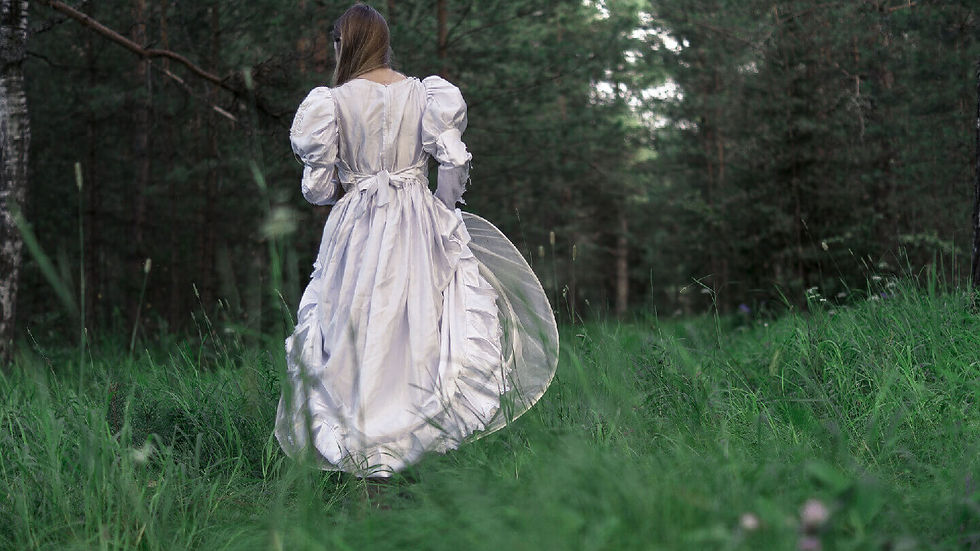
In Talmudic times, Shabbat was perceived as a bride, and the day itself was thought of as a wedding ceremony (an example of this can be seen in the Talmud from Shabbat 119a).
We receive and welcome Shabbat like a bride, with preparation, beauty, song, candles, special clothing, and festive meals. Just as marriage is a covenantal relationship marked by faithfulness, delight, and intimacy, Shabbat is a weekly reminder of Israel’s covenant with God. Shabbat is a sacred, memorable, and cherished meeting time between God and His people.
The song itself is a beautiful compilation of passages from the Bible, references of Jerusalem, the Messiah, and the Jewish people, prophecies from Isaiah, as well as hints of Talmudic and Midrashic ideology. There are numerous beautiful melodies that were composed for this song from around the world.
Scriptures Inspiring Lecha Dodi
The lyrics of Lecha Dodi are inspired by numerous beautiful passages of Scripture and remind us of God’s faithfulness and love for His people Israel, as well as our hope in Messiah Yeshua, the Son of David. Below are select phrases from Lecha Dodi, with the Scriptures they are drawn from in quotes.
Come my Beloved to greet the bride; the Sabbath presence, let us welcome!
‘Observe’ and ‘Remember’ both uttered as one, the One and Only God made us hear
“Therefore the children of Israel shall keep the Sabbath, to observe the Sabbath throughout their generations as a perpetual covenant. It is a sign between Me and the children of Israel forever; for in six days the Lord made the heavens and the earth, and on the seventh day He rested and was refreshed.” -Exodus 31:16-17
Hashem is one and His Name is one for renown, for splendor, and for praise
“Hear, O Israel: The Lord our God, the Lord is one!” -Deuteronomy 6:4
To welcome the Sabbath, come let us go, for it is the source of blessing from the beginning. From antiquity she was honored last in deed but first in thought
“And on the seventh day God ended His work which He had done, and He rested on the seventh day from all His work which He had done. Then God blessed the seventh day and sanctified it, because in it He rested from all His work which God had created and made.” -Genesis 2:2-3
O Sanctuary of the King, royal city, arise and depart from amid the upheaval
“Great is the LORD, and greatly to be praised In the city of our God, In His holy mountain. Beautiful in elevation, The joy of the whole earth, Is Mount Zion on the sides of the north, The city of the great King.” -Psalm 48:1-2
And the LORD shall be King over all the earth. In that day it shall be— “The LORD is one, And His name one." -Zechariah 14:9
Too long have you dwelled in the valley of weeping, He will shower compassion upon you
“You will arise and have mercy on Zion; For the time to favor her, Yes, the set time, has come.” -Psalm 102:13
Shake off the dust, arise! Don the clothes of your splendor, My people,
Awake, awake! Put on your strength, O Zion; Put on your beautiful garments, O Jerusalem, the holy city! For the uncircumcised and the unclean Shall no longer come to you. Shake yourself from the dust, arise; Sit down, O Jerusalem! Loose yourself from the bonds of your neck, O captive daughter of Zion! -Isaiah 52:1-2
Through the son of Jesse the Bethlehemite, draw near to my soul redeem it!
“There shall come forth a Rod from the stem of Jesse, And a Branch shall grow out of his roots. The Spirit of the Lord shall rest upon Him… with righteousness He shall judge the poor, And decide with equity for the meek of the earth.” (Isaiah 11:1-4)
Wake up! Wake up! For your light has come. Rise up and shine. Awaken, awaken, utter a song! The glory of Hashem is revealed on you
“Arise, shine; For your light has come! And the glory of the Lord is risen upon you.” -Isaiah 60:1
Feel not ashamed, be not humiliated. Why are you downcast? Why are you disconsolate?
Do not fear, for you will not be ashamed; Neither be disgraced, for you will not be put to shame; For you will forget the shame of your youth, And will not remember the reproach of your widowhood anymore. -Isaiah 54:4
Why are you cast down, O my soul? And why are you disquieted within me? Hope in God, for I shall yet praise Him, The help of my countenance and my God. -Psalm 42:11
In you will My people’s afflicted find shelter as the City is built upon its hilltop
“What will they answer the messengers of the nation? That the LORD has founded Zion, And the poor of His people shall take refuge in it.” -Isaiah 14:32
“As one whom his mother comforts, So I will comfort you; And you shall be comforted in Jerusalem.” -Isaiah 66:13
“Now it shall come to pass in the latter days That the mountain of the LORD’s house Shall be established on the top of the mountains, And shall be exalted above the hills; And all nations shall flow to it.” -Isaiah 2:2
May your oppressors be downtrodden, And may those who devoured you be cast far off.
“Also the sons of those who afflicted you Shall come bowing to you, And all those who despised you shall fall prostrate at the soles of your feet; And they shall call you The City of the LORD, Zion of the Holy One of Israel.” -Isaiah 60:14
Your God will rejoice over you like a groom’s rejoicing over his bride
“For as a young man marries a virgin, So shall your sons marry you; And as the bridegroom rejoices over the bride, So shall your God rejoice over you.” -Isaiah 62:5
Rightward and leftward you shall spread out mightily and you shall extol the might of Hashem
For you shall expand to the right and to the left, And your descendants will inherit the nations, And make the desolate cities inhabited. -Isaiah 54:3
Through the man descended from Peretz then we shall be glad and celebrate
Now this is the genealogy of Perez: Perez begot Hezron… Obed begot Jesse, and Jesse begot David. -Ruth 4:18-22
Enter in peace, O crown of her husband, Even in joyous song and good cheer. Among the faithful of the treasured nation, Enter, O bride! Enter, O bride!
For you are a holy people to the Lord your God, and the Lord has chosen you to be a people for Himself, a special treasure above all the peoples who are on the face of the earth. -Deuteronomy 14:2
Lyrics of Lecha Dodi
Below are the lyrics to the Ashkenazi version of “Lecha Dodi” in Hebrew and English:
"לכה דודי" בעברית
לְכָה דוֹדִי לִקְרַאת כַּלָּה. פְּנֵי שַׁבָּת נְקַבְּלָה:
שָׁמוֹר וְזָכוֹר בְּדִבּוּר אֶחָד, הִשְמִיעָֽנוּ אֵל הַמְּיֻחָד .ה’ אֶחָד וּשְמוֹ אֶחָד. לְשֵׁם וּלְתִפְאֶֽרֶת וְלִתְהִלָּה:
לְכָה דוֹדִי לִקְרַאת כַּלָּה. פְּנֵי שַׁבָּת נְקַבְּלָה:
לִקְרַאת שַׁבָּת לְכוּ וְנֵלְכָה. כִּי הִיא מְקוֹר הַבְּרָכָה .מֵרֹאשׁ מִקֶּֽדֶם נְסוּכָה. סוֹף מַעֲשֶׂה בְּמַחֲשָׁבָה תְּחִלָּה:
לְכָה דוֹדִי לִקְרַאת כַּלָּה. פְּנֵי שַׁבָּת נְקַבְּלָה:
מִקְדַּשׁ מֶֽלֶךְ עִיר מְלוּכָה. קֽוּמִי צְאִי מִתּוֹךְ הַהֲפֵכָה. רַב לָךְ שֶֽׁבֶת בְּעֵֽמֶק הַבָּכָא. וְהוּא יַחֲמוֹל עָלַֽיִךְ חֶמְלָה:
לְכָה דוֹדִי לִקְרַאת כַּלָּה. פְּנֵי שַׁבָּת נְקַבְּלָה:
הִתְנַעֲרִי מֵעָפָר קוּמִי. לִבְשִׁי בִּגְדֵי תִפְאַרְתֵּךְ עַמִּי: עַל יַד בֶּן יִשַׁי בֵּית הַלַּחְמִי. קָרְבָה אֶל נַפְשִׁי גְאָלָהּ:
לְכָה דוֹדִי לִקְרַאת כַּלָּה. פְּנֵי שַׁבָּת נְקַבְּלָה:
הִתְעוֹרְרִי הִתְעוֹרְרִי. כִּי בָא אוֹרֵךְ קֽֽוּמִי אֽוֹרִי. עֽוּרִי עֽוּרִי שִׁיר דַבֵּֽרִי. כְּבוֹד ה’ עָלַֽיִךְ נִגְלָה.
לְכָה דוֹדִי לִקְרַאת כַּלָּה. פְּנֵי שַׁבָּת נְקַבְּלָה:
לֹא תֵבֽוֹשִׁי וְלֹא תִכָּלְמִי. מַה תִּשְתּוֹחֲחִי וּמַה תֶּהֱמִי. בָּךְ יֶחֱסוּ עֲנִיֵּי עַמִּי, וְנִבְנְתָה עִיר עַל תִּלָּהּ:
לְכָה דוֹדִי לִקְרַאת כַּלָּה. פְּנֵי שַׁבָּת נְקַבְּלָה:
וְהָיוּ לִמְשִׁסָּה שֹׁאסָֽיִךְ. וְרָחֲקוּ כָּל מְבַלְּעָֽיִךְ. יָשִׂישׂ עָלַֽיִךְ אֱלֹהָֽיִךְ. כִּמְשׂוֹשׂ חָתָן עַל כַּלָּה:
לְכָה דוֹדִי לִקְרַאת כַּלָּה. פְּנֵי שַׁבָּת נְקַבְּלָה:
יָמִין וּשְׂמֹאל תִּפְרֽוֹצִי. וְאֶת־ה’ תַּעֲרִֽיצִי. עַל יַד אִישׁ בֶּן פַּרְצִי. וְנִשְׂמְחָה וְנָגִֽילָה:
לְכָה דוֹדִי לִקְרַאת כַּלָּה. פְּנֵי שַׁבָּת נְקַבְּלָה:
בּֽוֹאִי בְשָׁלוֹם עֲטֶרֶת בַּעְלָהּ. גַּם בְּשִׂמְחָה וּבְצָהֳלָה. תּוֹךְ אֱמוּנֵי עַם סְגֻּלָּה. בּֽוֹאִי כַלָּה, בּֽוֹאִי כַלָּה:
לְכָה דוֹדִי לִקְרַאת כַּלָּה. פְּנֵי שַׁבָּת נְקַבְּלָה:
Lecha Dodi Hebrew Transliteration
Lecha dodi likrat kala, p’nei Shabbat n’kabelah!
Shamor v’zachor b’dibur echad, Hishmi’anu el ha’meyuchad. Adonai echad u’shmo echad; L’shem ul’tiferet v’l’tehila.
Lecha dodi likrat kala, p’nei Shabbat n’kabelah!
Likrat Shabbat l’chu v’nelcha, Ki hi m’kor ha’bracha. Me’rosh mi’kedem n’sucha; Sof ma’aseh b’mach’shava t’chila.
Lecha dodi likrat kala, p’nei Shabbat n’kabelah!
Mikdash melech, ir m’lucha, Kumi, tze’i mi’toch ha’hafecha. Rav lach shevet b’emek ha’bacha; V’hu yachmol alai’yich chemla.
Lecha dodi likrat kala, p’nei Shabbat n’kabelah!
Hitna’ari me’afar kumi, Livshi bigdei tifartech ami. Al yad ben Yishai beit haLachmi; Karva el nafshi g’ala.
Lecha dodi likrat kala, p’nei Shabbat n’kabelah!
Hit’oreri, hit’oreri, Ki va orech, kumi uri. Uri, uri, shir daberi; K’vod Adonai alai’yich nigla.
Lecha dodi likrat kala, p’nei Shabbat n’kabelah!
Lo tevoshi v’lo tikalmi, Mah tishtochachi uma tehemi. Bach yechesu ani’yei ami; V’niv’neta ir al tila.
Lecha dodi likrat kala, p’nei Shabbat n’kabelah!
V’hayu lim’shisa sosai’yich, V’rachaku kol m’valai’yich. Yasis alai’yich Elohai’yich; Kimsos chatan al kala.
Lecha dodi likrat kala, p’nei Shabbat n’kabelah!
Yamin u’smol tifrotzi, V’et Adonai ta’aritzi. Al yad ish ben Partzi; V’nism’cha v’nagila!
Lecha dodi likrat kala, p’nei Shabbat n’kabelah!
(Rise, and face the rear of the shul.)
Bo’i v’shalom, ateret ba’ala, Gam b’simcha uv’ tzhala. Toch emunei am segula; Bo’i chala, bo’i chala.
Lecha dodi likrat kala, p’nei Shabbat n’kabelah!
Lecha Dodi English Translation
Come my Beloved to greet the bride; the Sabbath presence, let us welcome!
‘Observe’ and ‘Remember’ both uttered as one, the One and Only God made us hear Hashem is one and His Name is one for renown, for splendor, and for praise
Come my Beloved …
To welcome the Sabbath, come let us go, for it is the source of blessing from the beginning From antiquity she was honored last in deed but first in thought
Come my Beloved …
O Sanctuary of the King, royal city, arise and depart from amid the upheaval Too long have you dwelled in the valley of weeping, He will shower compassion upon you
Come my Beloved …
Shake off the dust, arise! Don the clothes of your splendor, My people, Through the son of Jesse the Bethlehemite, draw near to my soul redeem it!
Come my Beloved …
Wake up! Wake up! For your light has come. Rise up and shine! Awaken, awaken, utter a song! The glory of Hashem is revealed upon you!
Come my Beloved …
Feel not ashamed, be not humiliated. Why are you downcast? Why are you disconsolate? In you will My people’s afflicted find shelter as the City is built upon its hilltop
Come my Beloved …
May your oppressors be downtrodden, And may those who devoured you be cast far off Your God will rejoice over you like a groom’s rejoicing over his bride
Come my Beloved …
Rightward and leftward you shall spread out mightily and you shall extol the might of Hashem Through the man descended from Peretz then we shall be glad and celebrate
Come my Beloved …
(Rise, and face the rear of the shul.)
Enter in peace, O crown of her husband, Even in joyous song and good cheer Among the faithful of the treasured nation, Enter, O bride! Enter, O bride!
Come my Beloved to greet the bride; the Sabbath presence, let us welcome!
Get Downloads
File Title
Add paragraph text. Click “Edit Text” to update the font, size and more. To change and reuse text themes, go to Site Styles.
Add paragraph text. Click “Edit Text” to update the font, size and more. To change and reuse text themes, go to Site Styles.

Netivyah Staff
Glossary
Adonai (אֲדֹנָי) means “Lord” and is commonly used in Jewish reading and prayer as a reverent way to refer to God.
Ashkenazi (אַשְׁכְּנַזִּי) refers to Jewish communities with roots in Central and Eastern Europe and their customs.
Bracha (בְּרָכָה) means “blessing” and can refer to a blessing spoken over people or a prayer thanking God
Covenant (brit, בְּרִית) means a sacred agreement or bond between parties, such as between God and His people.
Hashem (הַשֵּׁם) means “the Name” and is a reverent reference to God, especially outside of prayer, in everyday life conversations.
Kabbalat Shabbat (קַבָּלַת שַׁבָּת) means “welcoming the Sabbath” and refers to the Friday evening service that joyfully ushers in Shabbat through psalms and songs.
Shabbat (שַׁבָּת) refers to the seventh day, the Sabbath, set apart by God as a holy day of rest, worship, and delight (see Genesis 2:1-3).
Shalom (שָׁלוֹם) means peace and completeness, and is often used as a greeting in Israel, both when meeting and parting.
Shul (שׁוּל) is the Yiddish word for synagogue, literally meaning “school,” emphasizing the synagogue as a place of prayer, study, and community life.
Talmud (תַּלְמוּד) means “study” or “learning” and refers to a collection of rabbinic discussions, teachings, laws, stories, and interpretations of the Hebrew Scriptures and discussions of applying God’s commandments to daily life
Yeshua (יֵשׁוּעַ) is the Hebrew name of Jesus, meaning "salvation"
More Topics
More For You
.jpg)
7 Reasons to Keep Shabbat
Shabbat is more than rest. From creation to Yeshua, discover 7 powerful reasons why Shabbat is a gift meant for all who seek God.
Video

Shalom Aleichem: Peace Be Unto You
Learn the meaning, origins, and lyrics of Shalom Aleichem, the traditional song sung to welcome peace into the home on Erev Shabbat.
Article
